My Dog is My Heart Retro Dog: A Designer's Embroidery Review
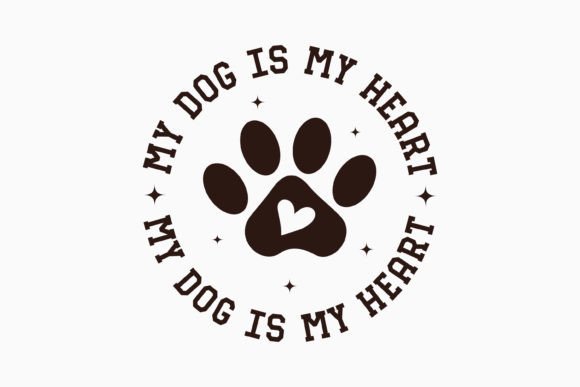
As someone who has spent years turning digital files into tangible, stitched memories for clients and personal projects, I approach every new embroidery file with a mix of excitement and skepticism. There is a distinct difference between a design that looks great on a screen and one that actually holds up under the needle. Today, I am evaluating a specific piece titled My Dog is My Heart Retro Dog. This isn't just another generic graphic; it is a piece of Graphics within the broader Crafts category that promises a vintage aesthetic suitable for everything from baby onesies to boutique merchandise.
When I first opened the source files included in this package, specifically the EPS and SVG formats, the immediate impression was one of clean, nostalgic charm. The layout strikes a balance between bold typography and a central motif that feels warm and inviting. It captures that "retro" mood without feeling dated or cluttered. For an embroidery designer, the initial visual personality is crucial because it dictates how the final finished product will be perceived by the customer. Does it feel like a mass-produced item, or does it have the soul of a handmade gift? In my opinion, My Dog is My Heart Retro Dog leans heavily toward the latter, making it an excellent candidate for personalized gifts and small business branding.
Real-World Application: From Screen to Stitch
To truly understand the utility of this design, we need to move past the digital preview and imagine it in a real-world scenario. Let's say you are preparing a custom order for a client who runs a local dog walking service. They want embroidered aprons for their staff to wear during walks in the park. Or perhaps you are an Etsy seller looking to create a line of holiday gifts featuring matching mother-and-child tote bags.
In these situations, My Dog is My Heart Retro Dog performs exceptionally well. The retro style pairs naturally with cotton fabrics often found in aprons, tote bags, and kitchen towels. When I simulated the stitching process mentally, the design's flow suggests it would work beautifully as a chest pocket placement on a sweatshirt or a centered focal point on a canvas tote. The quote itself carries an emotional weight that resonates with pet owners, which translates directly to higher perceived value for the buyer. Customers don't just buy a shirt; they buy a sentiment. That emotional connection is what drives sales for handmade products and small shop products.
Furthermore, the design's versatility allows it to transition easily between different mediums. Whether you are creating an embroidered patch for a denim jacket or adding a subtle detail to a nursery blanket, the core message remains clear. The ability to change colors easily in the source file means you can adapt the palette to match any brand identity or personal preference. If your boutique uses earth tones, you can shift the design to sage greens and browns. If you are targeting a neon-lit streetwear crowd, you can make it pop with bright contrasts. This flexibility is essential for commercial embroidery projects where customization is key.
Technical Performance and Stitch Considerations
While the aesthetic appeal is undeniable, the true test lies in the technical execution. How does My Dog is My Heart Retro Dog handle the physical constraints of machine embroidery? The design features a mix of elements that likely require different stitch types. The text portion will almost certainly rely on satin stitches for a crisp, raised look, while the graphical elements may utilize fill stitches to provide body and texture.
One critical factor to consider is the stitch density. Dense areas can sometimes cause puckering, especially on thinner fabrics like light t-shirts or delicate baby clothes. Before committing to a full production run, it is vital to test the design on scrap fabric. Pay close attention to how the threads lay down. Are there gaps in the coverage, or is the density too heavy for the material? If the design includes fine lines or tiny details, ensure they remain legible after stitching. Sometimes, a design that looks perfect at 300dpi on a monitor can lose its definition when converted to thread.
The choice of thread colors also plays a massive role in the final outcome. High contrast is generally safer for readability, but the retro theme invites a more nuanced color story. Experimenting with muted, vintage palettes can enhance the overall vibe. However, be cautious when working with dark fabrics. Unless you are using a high-density underlay or white backing, lighter threads might get lost. Conversely, on light fabrics, dark threads can appear harsh if not balanced correctly. Always inspect the design in both black and white mockups to ensure the shapes hold up regardless of color saturation.
Where to Use (and Where to Be Careful)
This design shines in specific contexts. It is ideal for tote bag designs, sweatshirt embroidery, and baby embroidery where softness and warmth are priorities. It works wonderfully as a holiday embroidery accent or a wedding gift for animal lovers. The simplicity of the layout makes it forgiving on larger surfaces like pillow covers or blankets, allowing the viewer to appreciate the full composition.
However, there are areas where caution is required. Small hoop sizes present a challenge for any detailed design. If you attempt to stitch this on a very small cap or a narrow band, the intricate corners of the retro lettering might become distorted or illegible. Similarly, textured fabrics like chunky knits or bouclé can obscure the finer details of the running stitch or satin stitch. Stretchy fabrics require extra stabilization to prevent distortion, so using a proper stabilizer is non-negotiable.
Curved surfaces, such as baseball caps, demand careful tension management. If the design is too wide or the stitch count is too high, it may not conform smoothly to the curve of the hat. Additionally, if you plan to wash the finished items frequently, ensure the design is dense enough to withstand abrasion without fraying. Decorative accents should be reinforced, and any tiny lettering should be double-checked for clarity before shipping to a client.
Professional Notes for the Creative Entrepreneur
For those of you running a craft business or selling on platforms like Etsy, the quality of your design assets reflects directly on your brand consistency. Using a well-executed file like My Dog is My Heart Retro Dog elevates your presentation. It signals to your customers that you care about the details, fostering trust and encouraging repeat purchases. A sloppy stitch job can ruin even the best concept, so always prioritize precision.
Before you start producing, take these practical steps:
- Test First: Always stitch a sample on the actual fabric you intend to use. Check for puckering, thread breaks, and alignment issues.
- Review Density: Ensure the fill stitch areas are not too dense for the chosen fabric weight.
- Check Licensing: Confirm whether the file is licensed for commercial use if you plan to sell the finished goods. This is crucial for digital product sellers and apparel decorators.
- Mockup Testing: Create printable mockups to visualize the design on different backgrounds and products before cutting fabric.
- Hoop Size Verification: Confirm that the design fits within your standard hoop sizes to avoid unnecessary trimming or re-hooping.
In conclusion, My Dog is My Heart Retro Dog offers a compelling blend of emotional resonance and practical design. It is a versatile tool in the arsenal of any creative entrepreneur looking to create meaningful, high-quality custom apparel or personalized gifts. By paying attention to the technical nuances of stitching and understanding where the design fits best, you can turn this simple vector file into a standout piece that customers will cherish. Whether you are making a single item for a friend or scaling up for a boutique collection, this design provides a solid foundation for success.