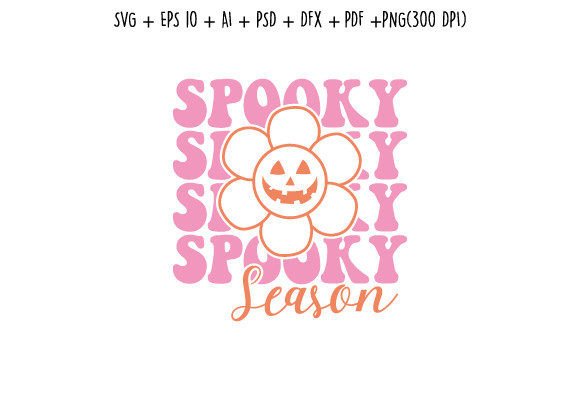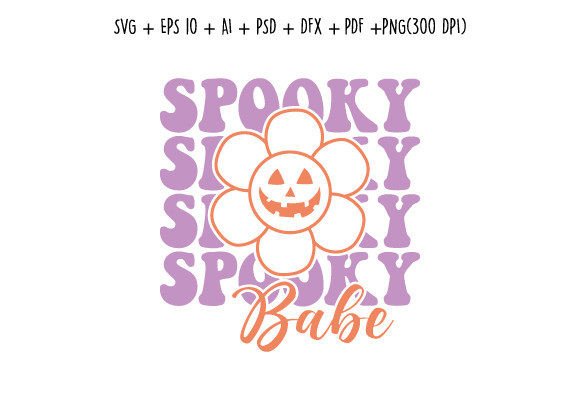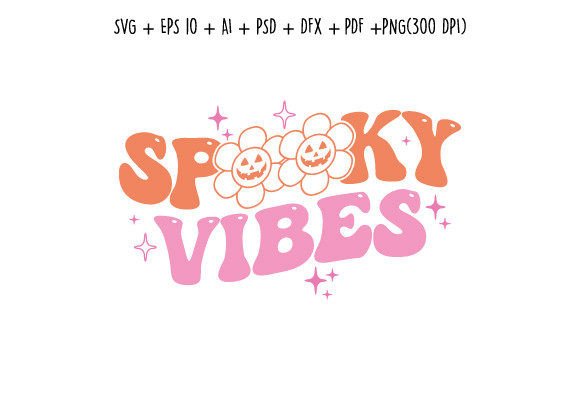
Spooky Baby Halloween Retro: A Designer's Real-World Review
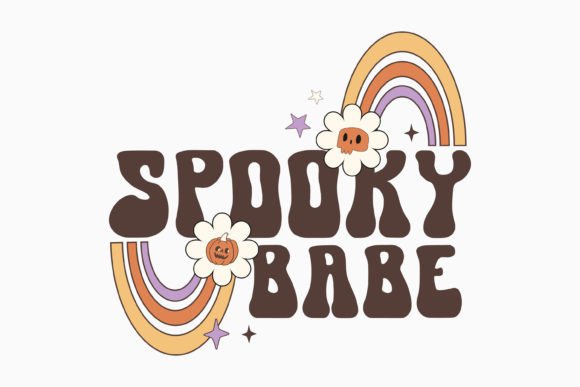
When I first opened the file for Spooky Baby Halloween Retro, my immediate reaction wasn't about the technical specs or the file format. It was about the mood. There is a specific energy that comes from retro typography mixed with playful, spooky imagery, and this design captures it perfectly. As someone who has spent years evaluating embroidery files for client projects and my own handmade shop, I look for designs that translate well from a digital screen to a needle and thread. This piece feels like it belongs in a nursery decorated for October, on a vintage-style tote bag, or perhaps as a statement patch on a denim jacket.
The visual personality of Spooky Baby Halloween Retro strikes a balance between cute and slightly mischievous. It avoids the overly gory aesthetic that can sometimes alienate buyers looking for festive items. Instead, it leans into nostalgia, which is a powerful tool for craft business owners. When you are creating products for Etsy or preparing inventory for a craft fair, you want something that resonates emotionally. This design offers a warm, inviting vibe that makes customers feel good about purchasing a personalized gift or a boutique item.
From Screen to Stitch: How It Performs in the Hoop
Moving past the initial aesthetic, let's talk about how Spooky Baby Halloween Retro handles the rigors of real-world embroidery. I recently tested a concept using this design for a custom embroidered sweatshirt intended as a holiday gift. The layout is clean, which is crucial for maintaining clarity when stitching on textured fabrics like fleece or heavy cotton blends.
In terms of stitch types, the design appears to utilize a mix of satin stitches for outlines and fill stitches for the lettering. Satin stitches provide that crisp, professional edge that defines high-quality machine embroidery. However, the success of this project depends heavily on your setup. If you are planning to use this for a tote bag design or a sweatshirt embroidery project, you must ensure your stabilizer matches the fabric weight. Without proper support, the tension can pull the retro letters out of shape, ruining the nostalgic charm.
I also considered how this would work as a baby embroidery project. The curves in the design are gentle, avoiding sharp angles that might snag on delicate infant clothing. This makes it an excellent candidate for onesies or soft bibs. The "Retro" aspect of the title suggests a color palette that pops, and because the source files include 100 color changeable options, you have the flexibility to match any thread colors you already have in your stash. Whether you choose classic orange and black or a softer pastel palette for a gender-neutral gift, the design holds its integrity.
Strategic Placement and Fabric Considerations
While Spooky Baby Halloween Retro is versatile, it is not a one-size-fits-all solution for every surface. As a designer, I always advise testing before committing to a final product. For instance, if you are working with thin fabric or stretchy materials like jersey knit, you need to be cautious. Dense stitch areas can cause puckering if the fabric isn't stabilized correctly. In such cases, a cut-away stabilizer is often necessary to keep the embroidery file flat and true.
Curved surfaces, such as caps or hats, present another challenge. While the design looks great on a flat chest area of a hoodie, applying it to the curved front panel of a baseball cap requires careful digitizing adjustments or a smaller hoop size. If the design elements are too large relative to the curvature, the text may become distorted. Similarly, if you plan to use this for an embroidered patch, you will need to consider the border and the backing material to ensure it adheres properly without bunching up.
Dark fabrics add another layer of complexity. To make the machine embroidery design pop against a black or navy background, you might need a underlay layer or a lighter thread color for the base. The contrast is key to the visual appeal of the finished product. If the thread colors don't stand out enough, the retro style gets lost, and the product loses value. Always test your thread choices on scrap fabric before running a full production run.
Commercial Viability and Brand Consistency
For Etsy sellers and small business owners, the question isn't just "can I stitch this?" but "will this sell?" Spooky Baby Halloween Retro hits several sweet spots in the market. It fits perfectly into the holiday embroidery niche, which sees a massive surge in demand every autumn. Parents love personalized gifts, and a custom baby item featuring this design could be a bestseller for your shop.
The design assets included—specifically the EPS and SVG files—add significant value. Even if you are primarily focused on physical goods, having these vector files allows you to create printable mockups for your online listings. You can place the design on various products digitally to show customers exactly what they are buying. This transparency builds trust and reduces return rates. Furthermore, the ability to easily change colors means you can create variations of the same listing, catering to different customer preferences without needing new design files.
However, commercial viability also depends on professionalism. A poorly stitched logo or text can damage a brand's reputation. Ensure that the stitch density is appropriate for the garment type. If the design is too dense, it might feel stiff and uncomfortable, leading to negative reviews. Conversely, if it is too sparse, it might look unfinished. Check the details carefully; tiny lettering or intricate corners can get lost if the machine settings aren't precise.
Practical Notes for the Creative Entrepreneur
Before you start stitching, here are a few essential steps to ensure your embroidery project is a success. First, always test the design on scrap fabric. This helps you gauge the tension and see how the threads interact with the material. Second, review the stitch density. If the design looks too crowded, consider adjusting the settings or simplifying the elements. Third, confirm the hoop size. Make sure the design fits within your machine's capabilities without requiring awkward re-hooping.
If you intend to sell finished items, double-check the licensing terms provided with the download. Some files are for personal use only, while others allow for commercial sales. Understanding these distinctions protects your craft business from legal issues. Also, inspect the small details in the design. Sometimes, what looks perfect on a high-resolution monitor can lose definition when reduced or stitched at a smaller scale.
Finally, think about the end user. Is this design suitable for frequent washing? Embroidery is durable, but poor stitching techniques can lead to unraveling over time. Using high-quality thread and ensuring tight knots will extend the life of your finished product. Whether you are making a kitchen towel, a pillow cover, or a custom apparel piece, attention to detail separates a hobbyist project from a professional offering.
Spooky Baby Halloween Retro is more than just a graphic; it is a tool for creative expression and business growth. By understanding its strengths and limitations, you can leverage its retro charm to create memorable, high-quality items that customers will cherish. From the initial sketch to the final stitch, this design offers a solid foundation for your next seasonal collection.